The history of the Society for American Music is intertwined with the history of American music scholarship. This timeline traces the people, institutions, publications, organizations, and milestones that have shaped our story—from the field’s early foundations to the Society’s continuing work of the present.
October 6, 1873
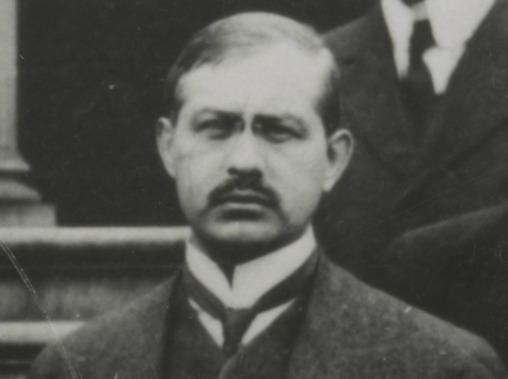
The Society’s namesake is born on October 6, 1873 in Jersey City, NJ.
1971
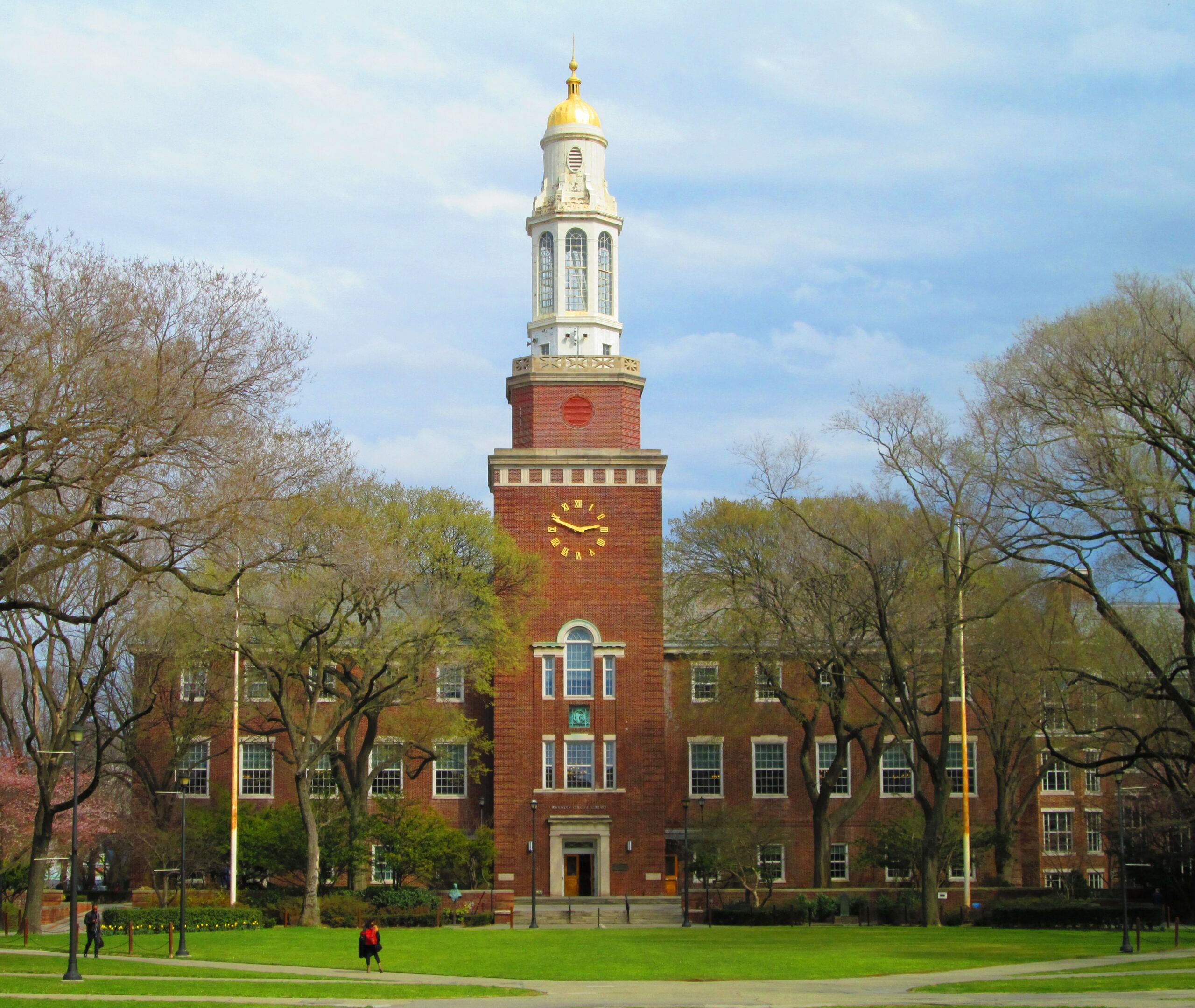
The Institute for Studies in American Music at Brooklyn College of the City University of New York is established with H. Wiley Hitchcock as its first director.
May 5-6, 1973
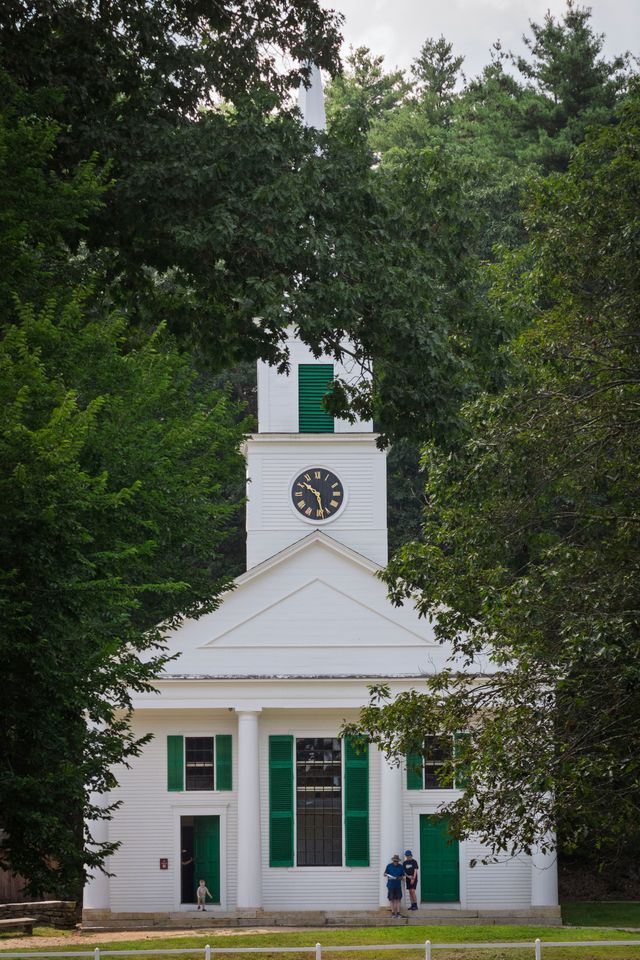
The conference “Joyful Sounds: Early American Music in its Social Setting,” orgainzed by Arthur Schrader, is held at Old Sturbridge Village in Sturbridge, MA. Nicholas Tawa and Alan Buechner are in attendance (Bulletin, Summer 1991).
May 17-18, 1973
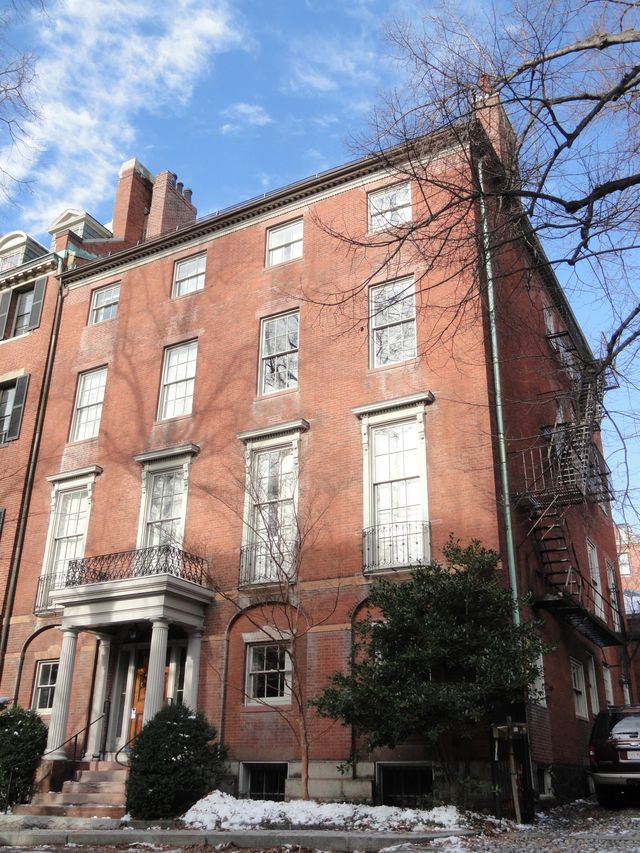
Alan Buechner, Arthur Schrader, Irving Lowens, Nicholas Tawa, and Gilbert Chase attend the Boston conference on early music, sponsored by the Colonial Society of Massachusetts, a conference organized by Barbara Lambert (Curator of Music Instruments at the Boston Museum of Fine Arts), and conversations about founding a Sonneck organization begin. Alan Buechner, Arthur Schrader, Irving Lowens, Gilbert Chase, Neely Bruce, and Nicholas Tawa form an ad hoc committee (Bulletin, Summer 1991).
November 3, 1974
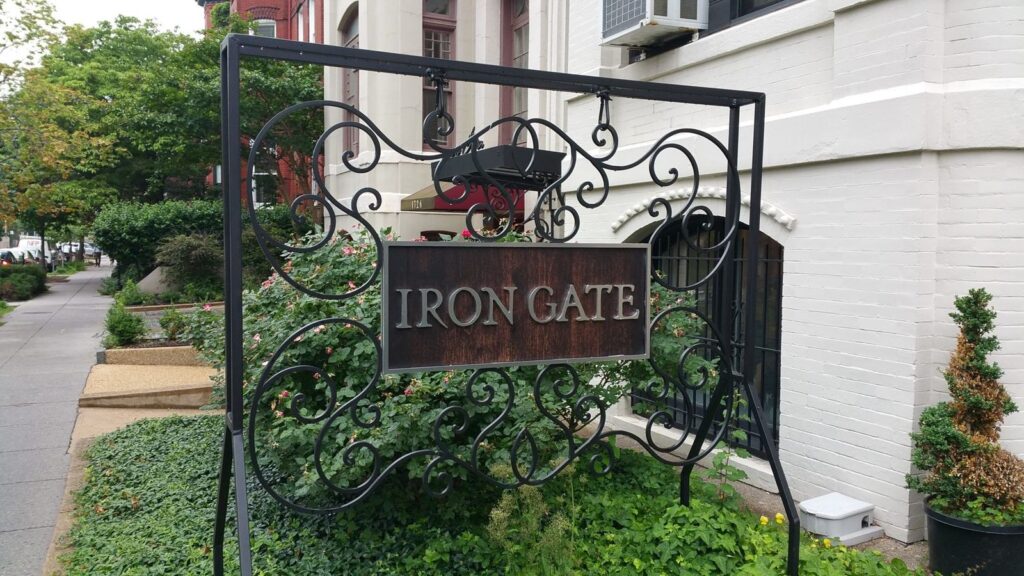
During the American Musicolgical Society Annual Meeting, a gathering, organized by Cynthia Hoover, Margery Lowens, and Irving Lowens takes place at the Iron Gate Restaurant in Washington DC. The ad hoc committee makes its case, and the majority vote to form a formal society. 101 people join (Bulletin, Summer 1991).
October 18-19, 1975
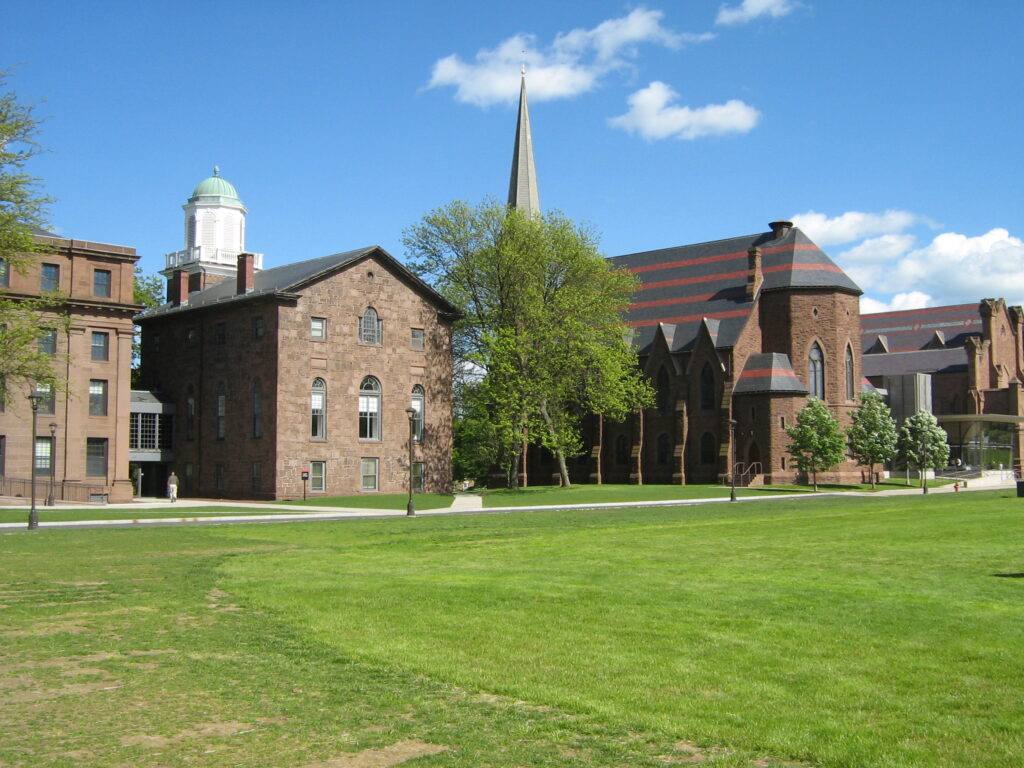
The first meeting of the Sonneck Society takes place at Wesleyan University, Middletown, Connecticut, and coincides with the Society for Ethnomusicology annual meeting. Attendees enjoy a concert of American psalmody and a discussion on the “Oral Tradition in Demotic Psalmody and Harmony.” On October 19th, a business meeting is held to determine the constitution, and to elect officers for the newly formed Sonneck Society (Sonneck Society Newsletter, Summer 1975 ).
December 19, 1975
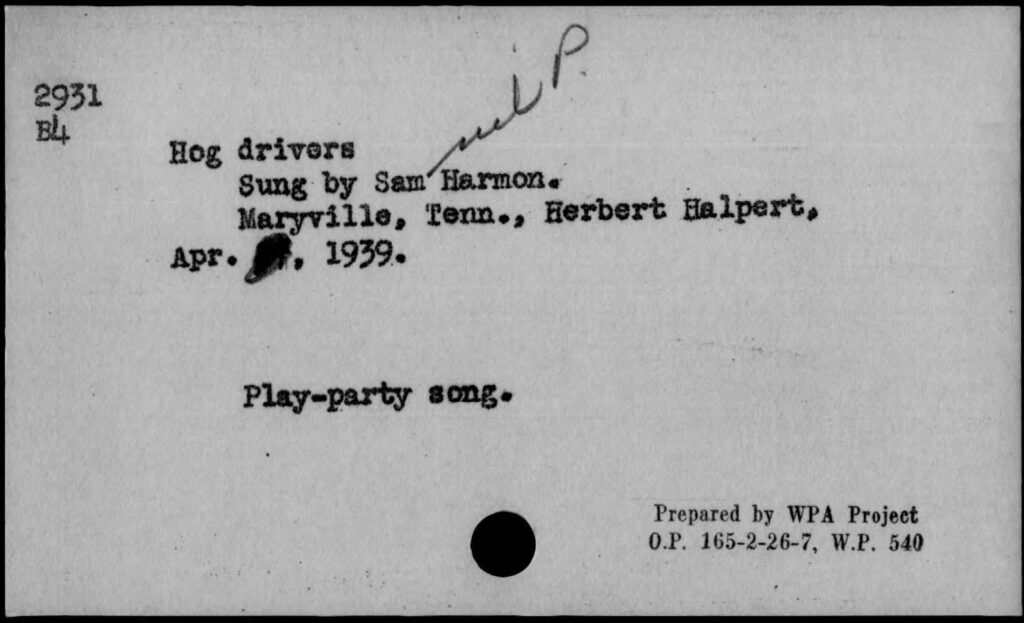
Congress passes H.R. 6673, a bill to provide for the establishment of an American Folklife Center in the Library of Congress.
May 29, 1976
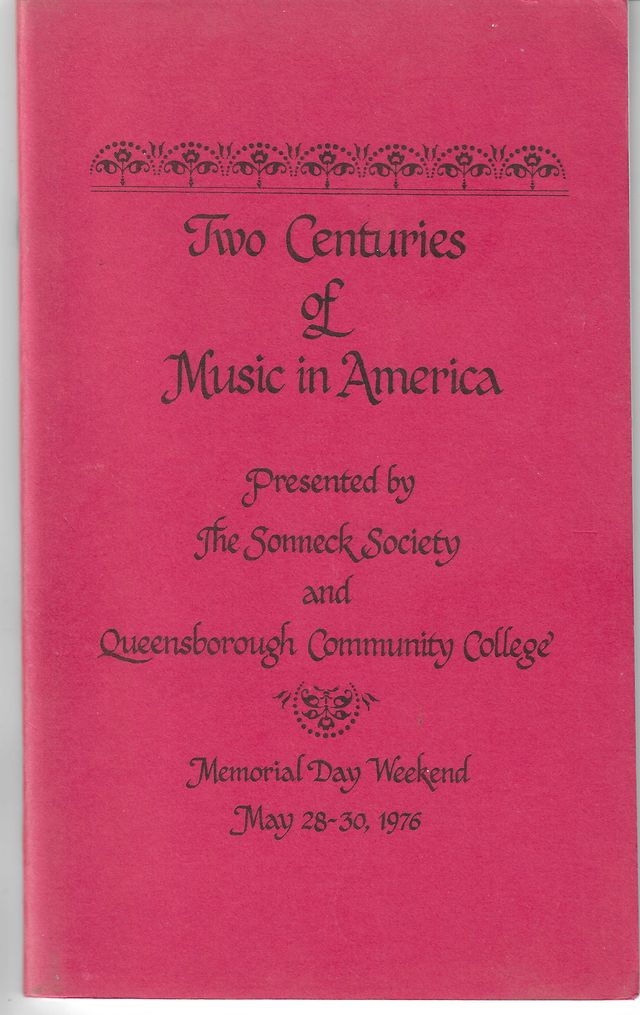
A conference is held at Queensborough Community College, CUNY in Bayside, NY. Saturday evening a banquet is held with Howard Hanson as guest of honor and Allen Britton as the keynote speaker. The “Liberty Supper” features a colonial roast beef dinner and thirteen formal toasts with A Revolutionary Celebration by the After Dinner Opera Company and country dancing led by James E. Morrison of the Country Dance & Song Society of America (Sonneck Society Newsletter, March 1976).
April 15-17, 1977
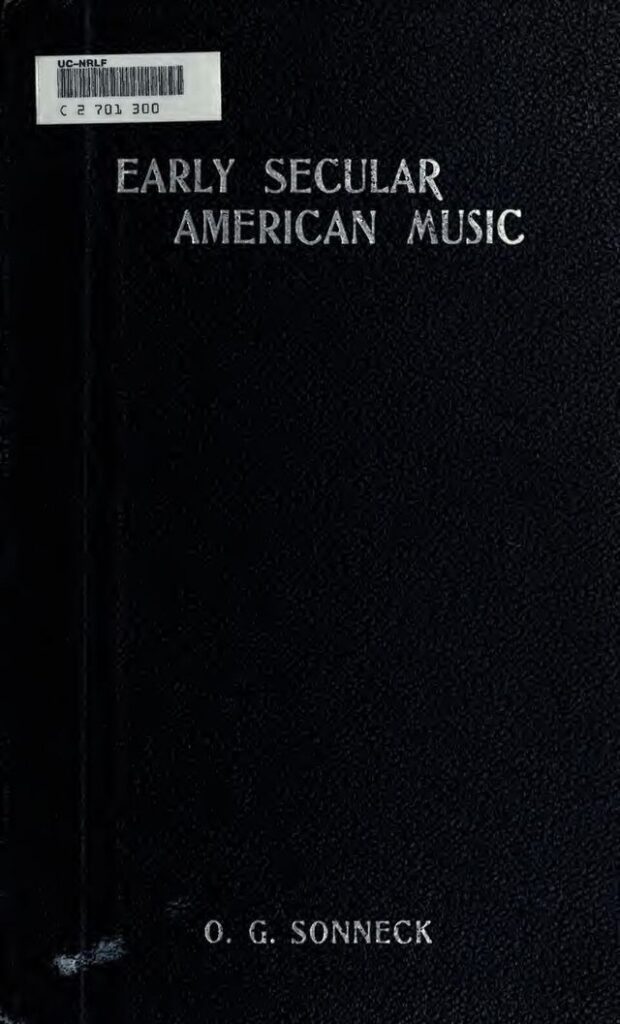
The Sonneck Society Conference is held in Williamsburg, VA, and features an “Auction of Musical Americana,” including a “copy of the original Sonneck Bibliography, a Father Kemp, an 1872 Jubilee Singers, etc.).” The proceeds benefit the Publication Fund.
1977
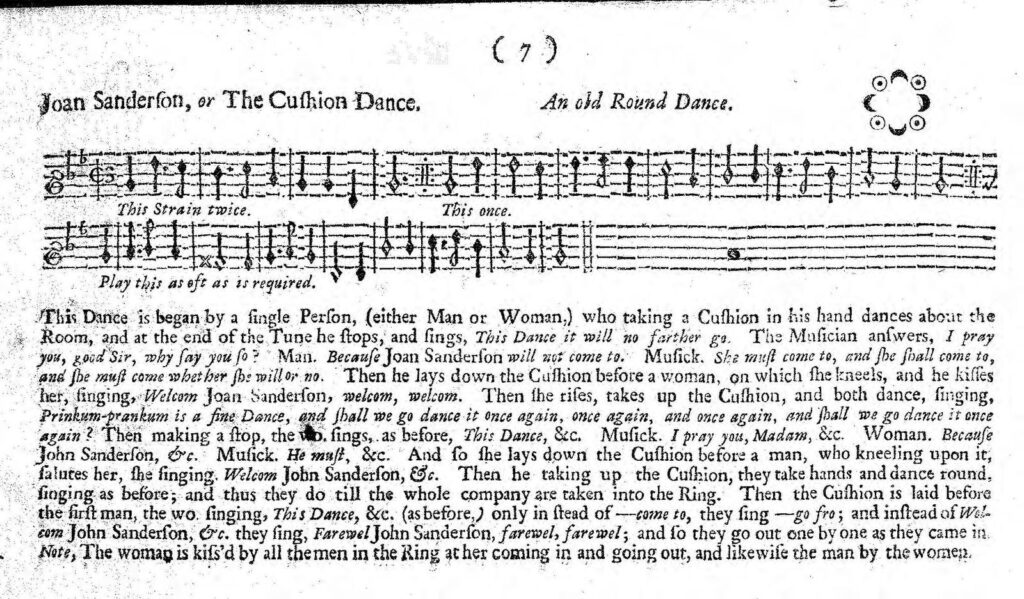
The Sonneck Society receives a grant from the National Endowment for the Humanities in support of the National Tune Index, a project authored by Kate Van Winkle Keller and Carolyn Rabson.
April 8,1978
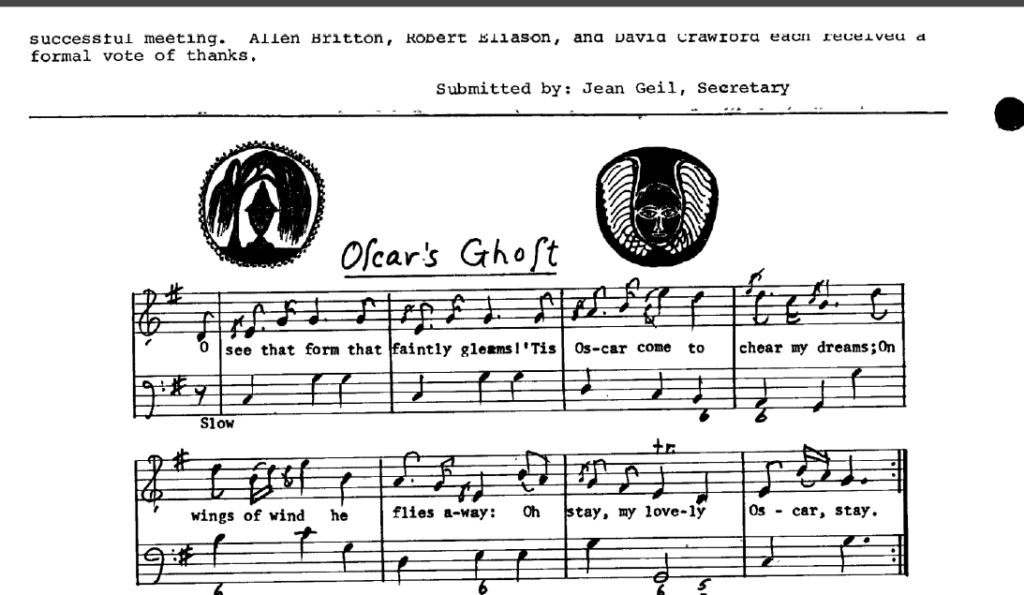
A delightful parody, “Oscar’s Ghost,” receives its premiere at the Sonneck-Society banquet on April 8, 1978 at the Heritage Hall Restaurant of the Henry Ford Museum (Sonneck Society Newsletter, Summer 1978).
December 23, 1979
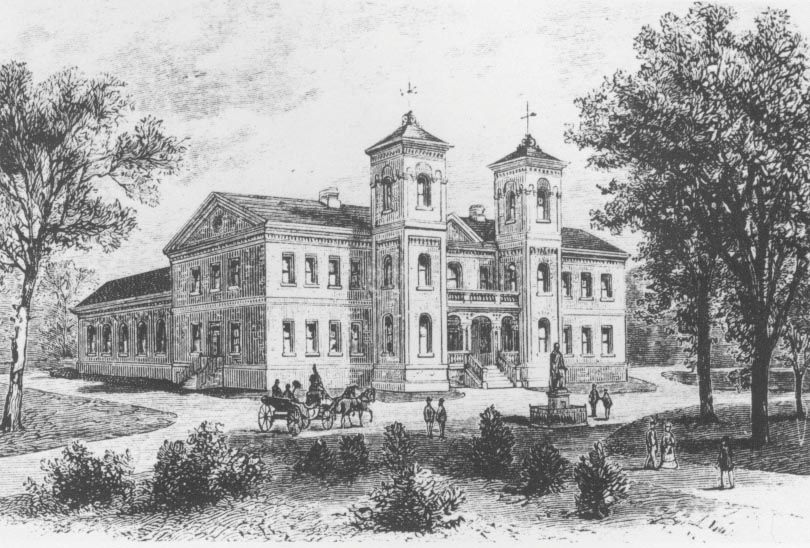
Sonneck-Society members, Bonnie Souder Hedges and F. Donald Truesdell, marry at Wren Chapel, the College of Willíam and Mary, in Williamsburg (Sonneck Society Newsletter, Spring 1979).
November 14, 1984
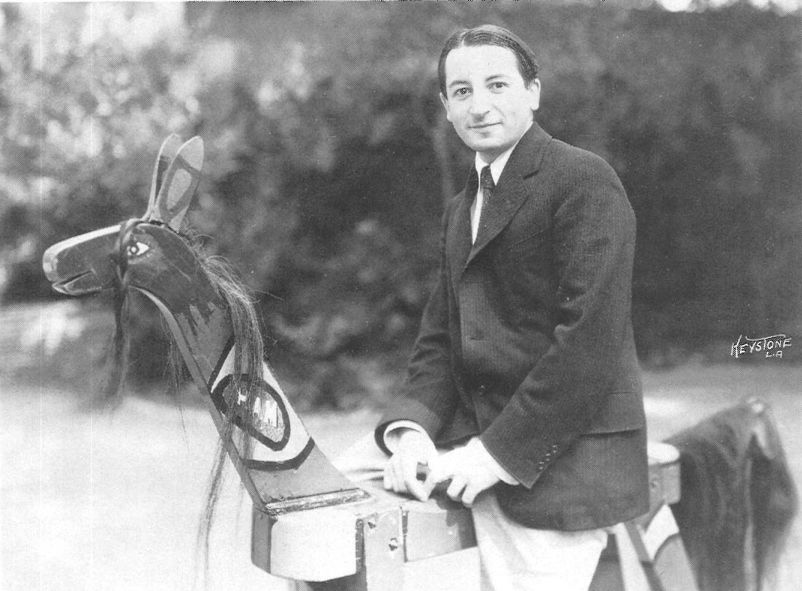
Nicolas Slonimsky is elected the Sonneck Society’s first honorary member in New Orleans.
1985
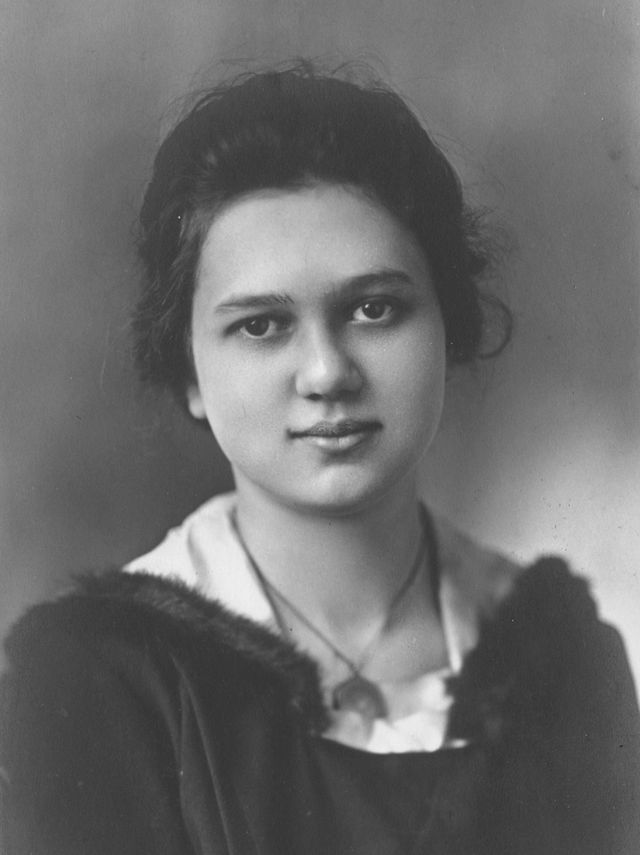
Judith Tick receives an ACLS Grant-in-Aid for a biography of Ruth Crawford Seeger.
Spring 1987
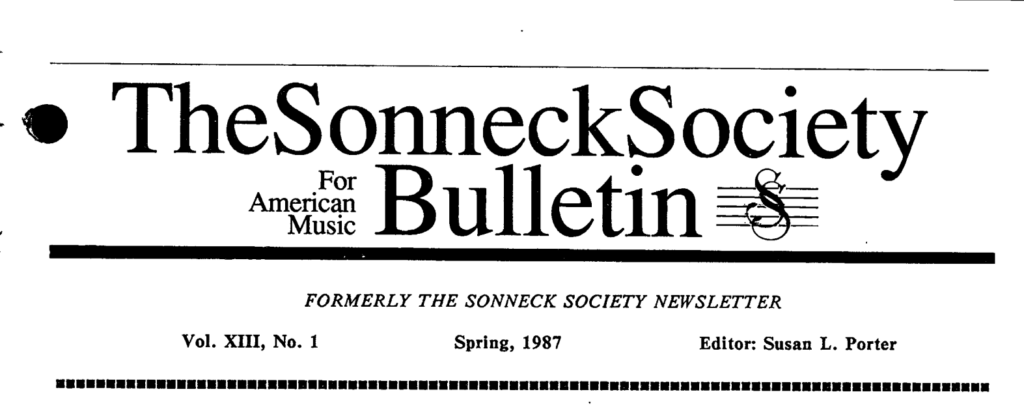
Newletter name changes to The Sonneck Society for American Music Bulletin. A “new title and high tech format.”
March 12, 1990
The American Music Research Center at the University of Colorado, Boulder is founded.
February 1, 2007
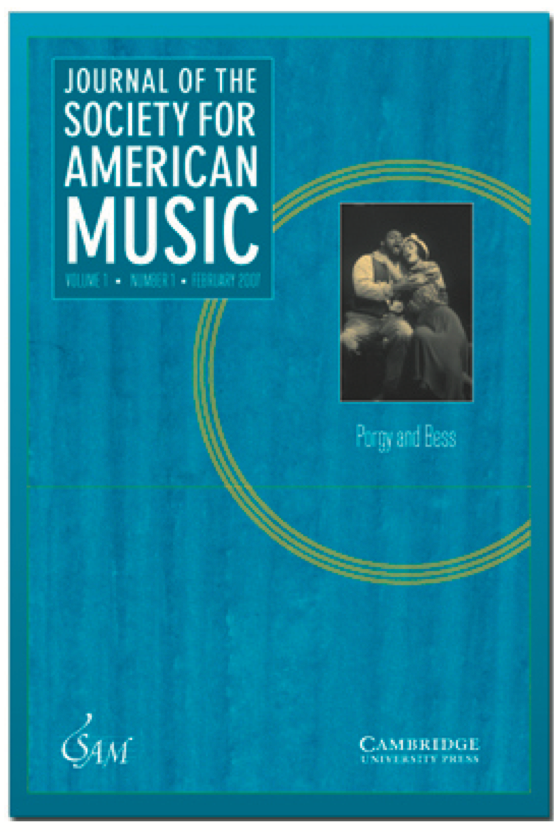
The first issue of the Journal of the Society for American Music (JSAM) is published.
March 1, 2012
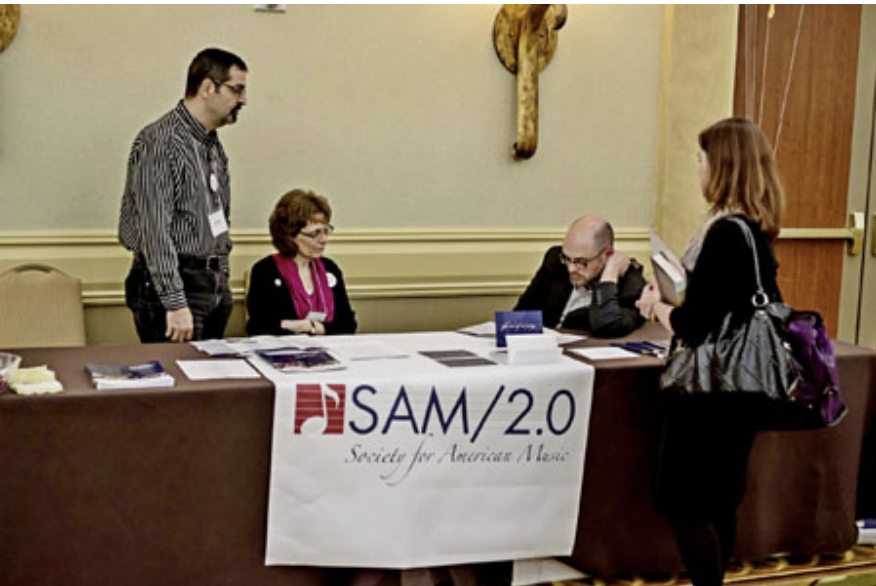
The leadership phase of the fundraising campaign, “SAM/2.0: Promoting New Scholarships on Music of the Americas,” begins. By March 1 2013, the campaign produced $555,590 in bequests, pledges, and donations.